Neurotransmitters Study Guide
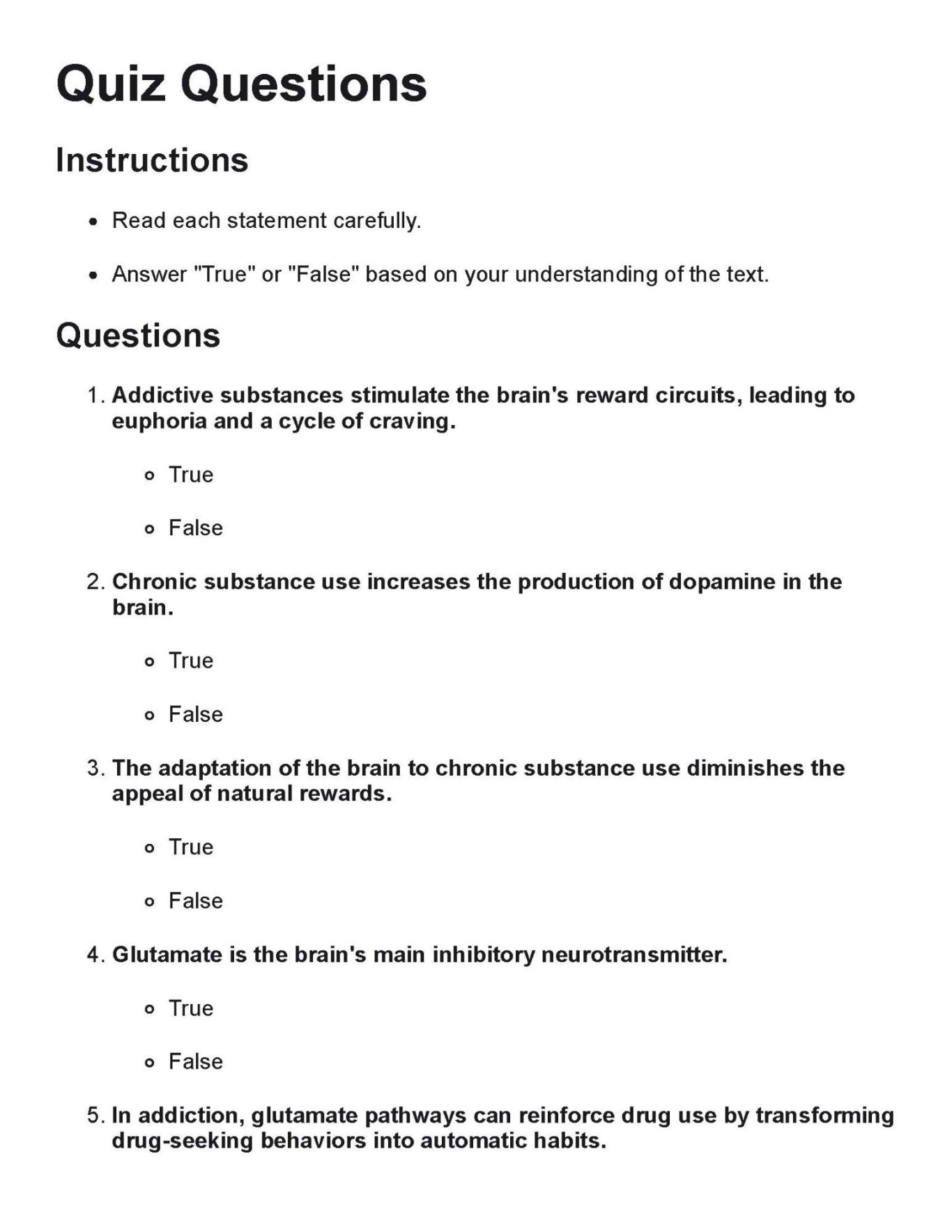
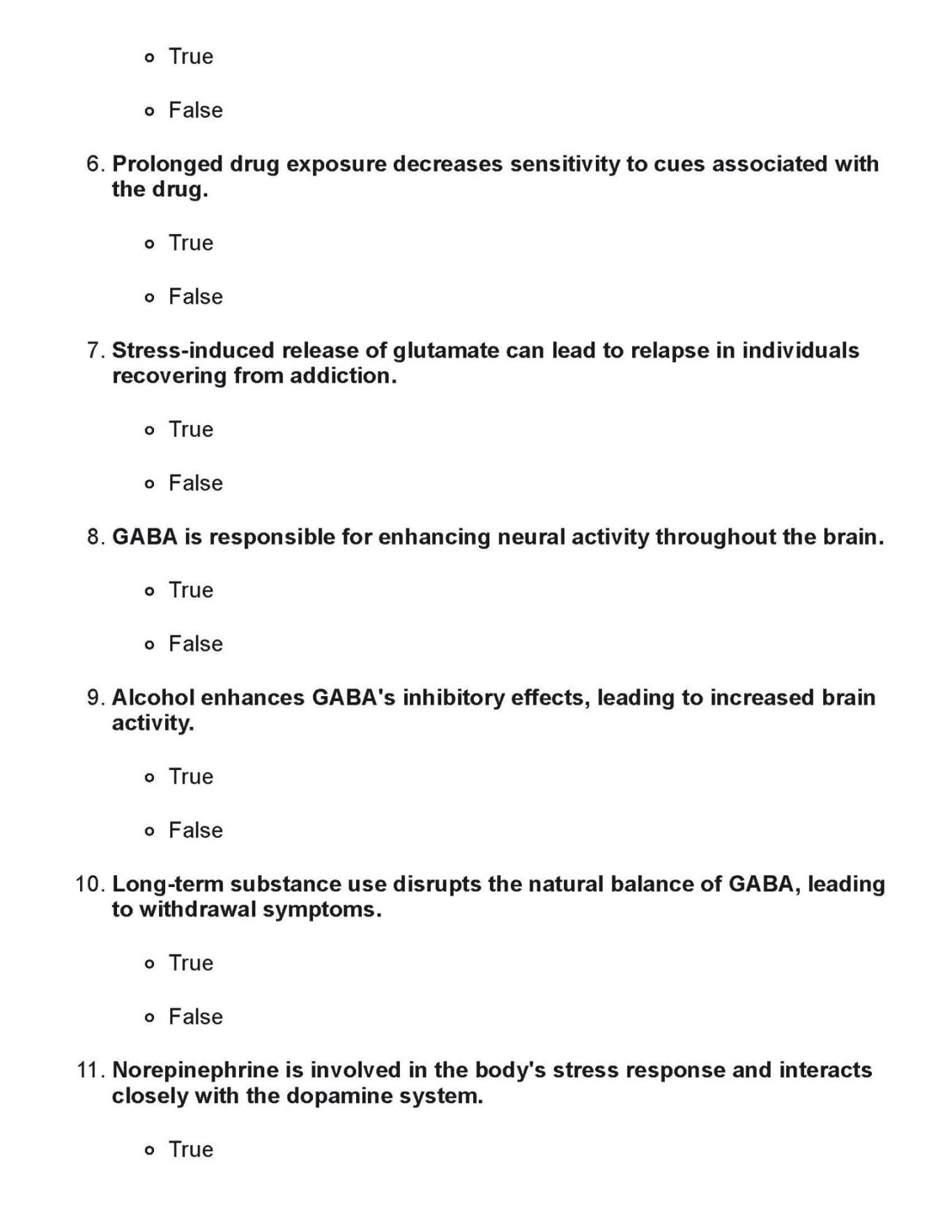
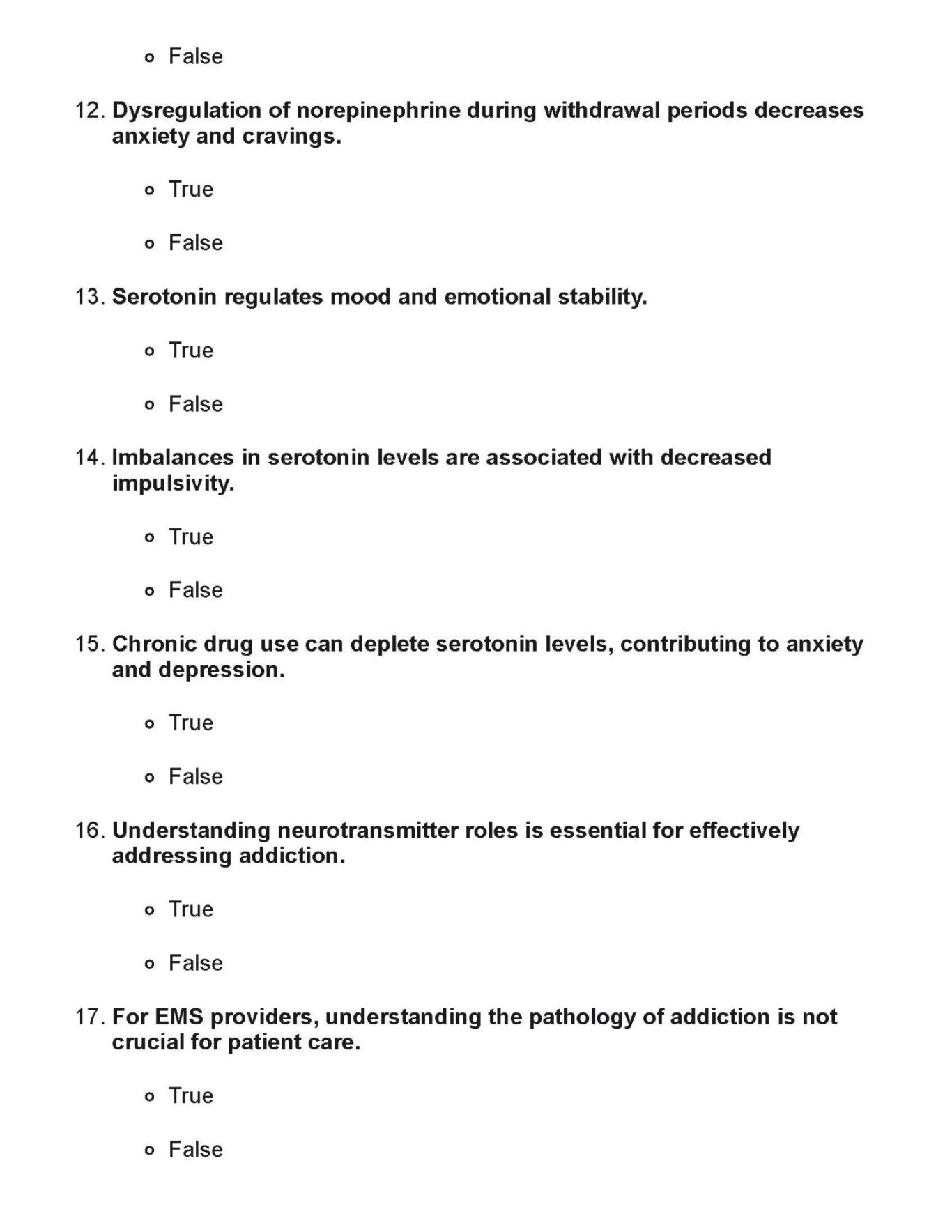
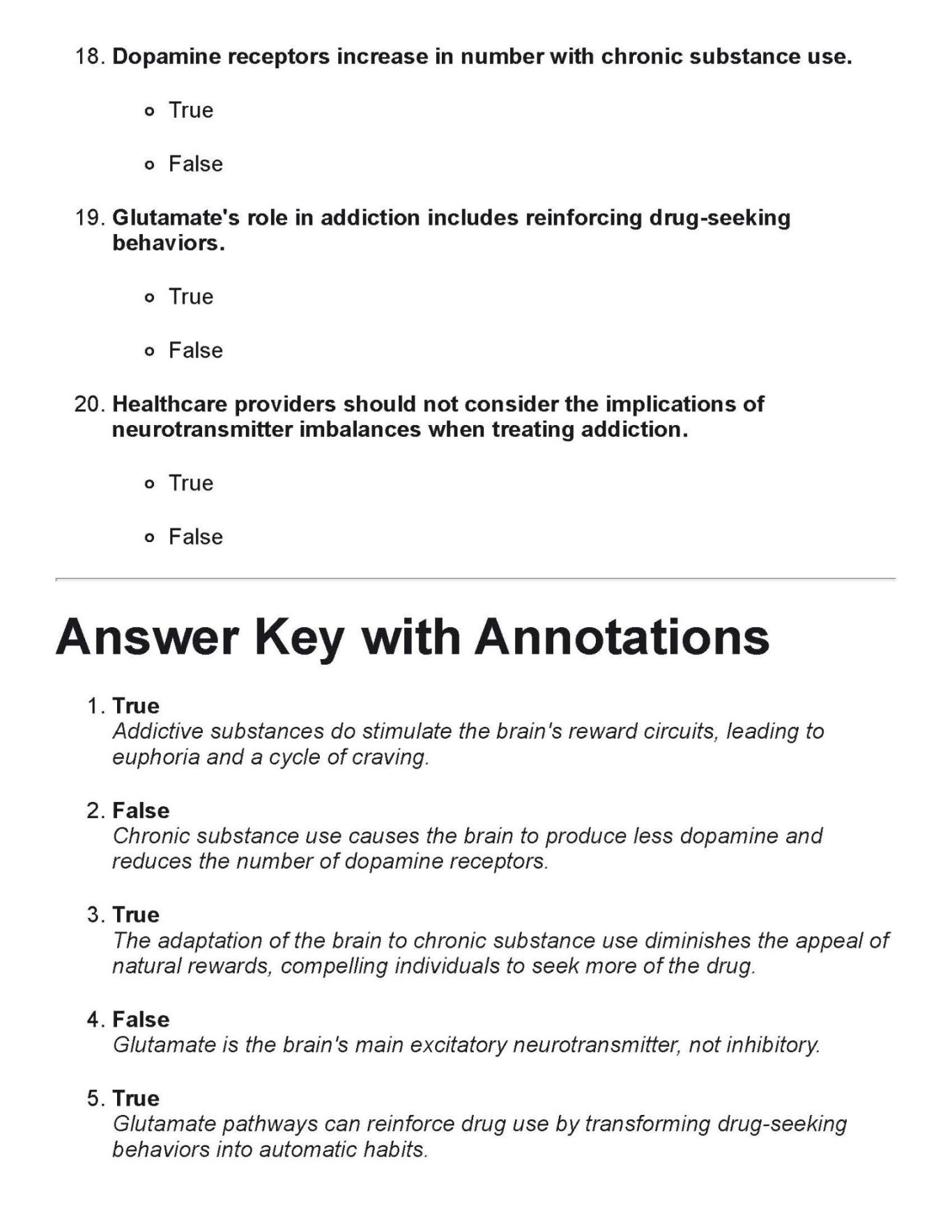
Quiz Below
The Dopamine Dilemma
- Addictive substances intensely stimulate the brain's reward circuits, leading to euphoria, but also initiate a cycle of craving.
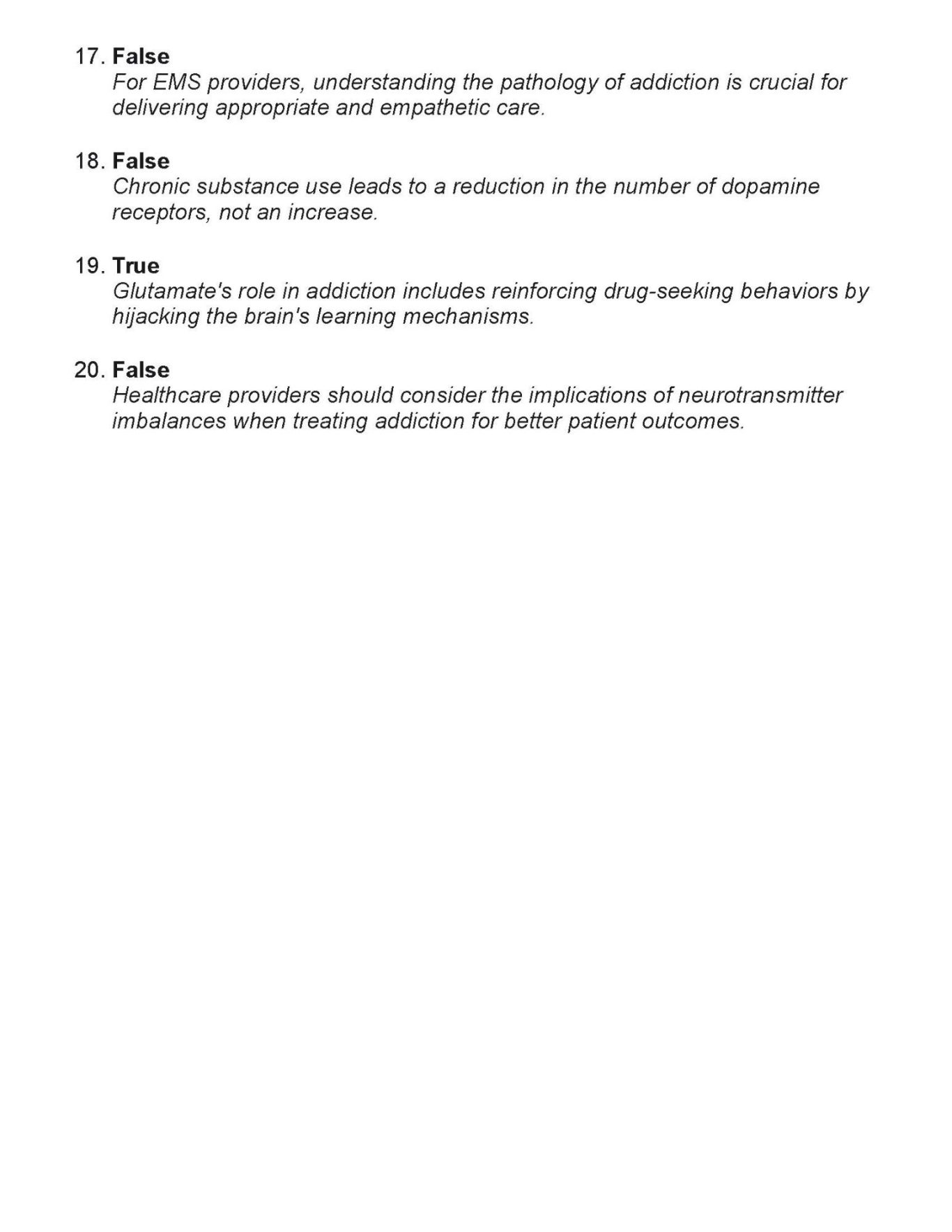
- Chronic substance use causes the brain to adapt by producing less dopamine and reducing the number of dopamine receptors.
- This adaptation diminishes the appeal of natural rewards, compelling individuals to seek more of the drug to achieve normal pleasure, which drives tolerance and dependence.
Glutamate and Its Role in Addiction
- Glutamate, the brain's main excitatory neurotransmitter, is crucial for learning and memory functions.
- In addiction, glutamate pathways reinforce drug use, transforming drug-seeking behaviors into automatic habits by hijacking the brain's learning mechanisms.
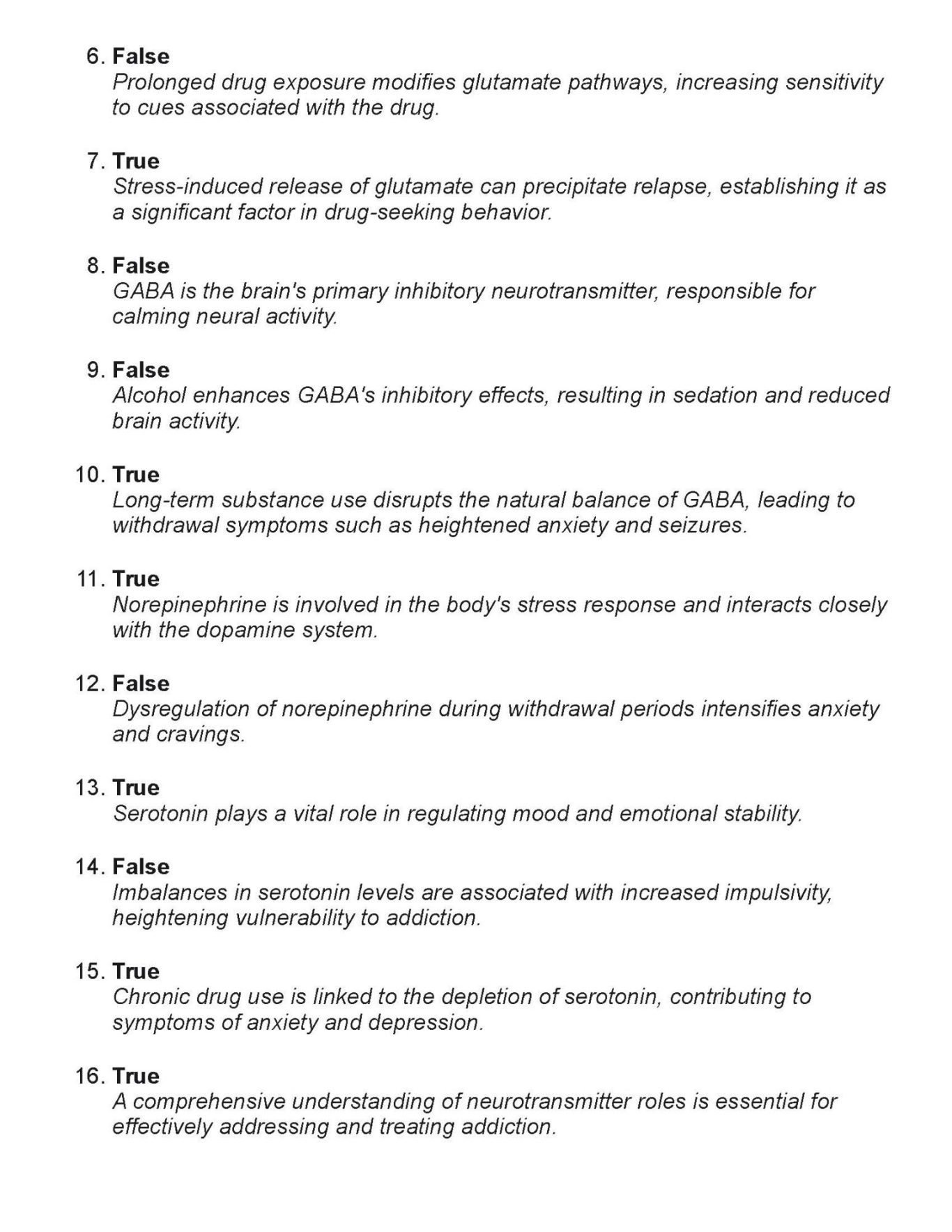
- Prolonged drug exposure modifies glutamate pathways, increasing sensitivity and reactivity to cues associated with the drug.
- Stress-induced release of glutamate can precipitate relapse, establishing it as a significant factor in driving drug-seeking behavior.
GABA and Neural Inhibition
- GABA, the brain's primary inhibitory neurotransmitter, is responsible for calming neural activity throughout the brain.
- Drugs such as alcohol enhance GABA's inhibitory effects, resulting in sedation and reduced brain activity.
- Long-term substance use disrupts the natural balance of GABA, leading to withdrawal symptoms such as heightened anxiety and seizures when the substance is absent.
Norepinephrine, Stress, and Relapse
- Norepinephrine, a neurotransmitter involved in the body's stress response, interacts closely with the dopamine system.
- Dysregulation of norepinephrine during withdrawal periods intensifies anxiety and cravings, which can trigger drug-seeking behaviors and elevate the risk of relapse.
Serotonin, Mood, and Impulse Control
- Serotonin plays a vital role in regulating mood, emotional stability, and impulse control.
- Imbalances in serotonin levels are associated with mood disorders and increased impulsivity, which heighten vulnerability to addiction.
- Chronic drug use is linked to the depletion of serotonin, contributing to symptoms of anxiety and depression in affected individuals.
Implications for Healthcare Providers
- A comprehensive understanding of the roles these neurotransmitters play is essential for effectively addressing and treating addiction.
- For EMS providers, comprehending the pathology of addiction is crucial for delivering appropriate and empathetic care to patients struggling with substance use disorders.